

Dubai rolls out new RTA deal offering 50% taxi fare cuts and fee exemptions
Family-focused initiative targets seniors, students and People of Determination
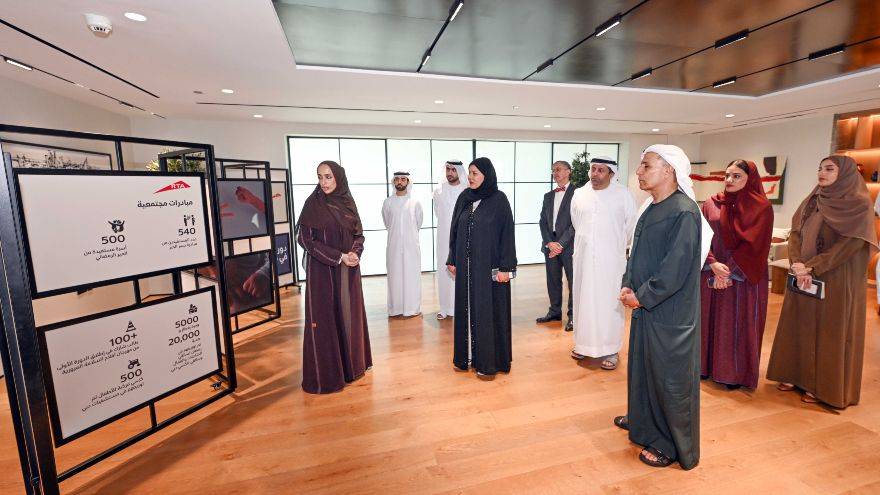
DUBAI – Dubai has unveiled a new agreement set to reshape everyday mobility costs for thousands of residents, offering significant financial relief through reduced transport charges and fee exemptions.
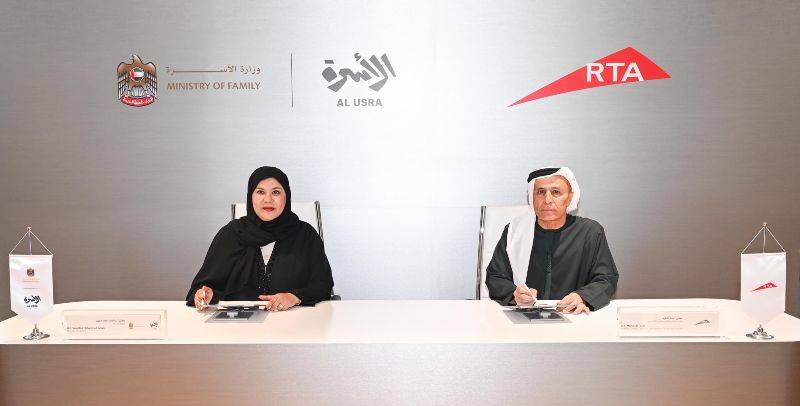
The strategic partnership between the Roads and Transport Authority (RTA) and the Ministry of Family introduces a wide-ranging package of incentives designed to support families, senior citizens, students and People of Determination.
The initiative forms part of the broader ‘Family First’ programme, a national strategy aimed at strengthening family stability and enhancing quality of life. By integrating social policy with transport planning, the agreement marks a notable shift in how urban mobility systems are designed and delivered across the emirate.
Authorities say the move will directly reduce daily expenses for targeted groups while creating a more inclusive and accessible transport ecosystem that caters to diverse community needs.
Key benefits
At the centre of the agreement is a series of tangible financial incentives that will impact day-to-day commuting and mobility expenses. Senior Emiratis will benefit from exemptions on parking fees, removing a recurring cost that often adds up over time.
Students and senior citizens are also set to receive discounted public transport fares, making buses, metro services and other transit options more affordable. These measures aim to encourage greater use of public transport while easing financial pressure on households.
For People of Determination, the benefits are more extensive. The agreement grants full exemptions from Salik toll fees, parking charges, public transport fares, and vehicle registration and renewal fees. In addition, taxi fares and driver licensing fees for this group will be reduced by 50 per cent, significantly lowering both travel and administrative costs.
Officials highlighted that these initiatives are designed to ensure equal access to mobility services while promoting inclusivity across Dubai’s transport network.
Family focus
The agreement is closely aligned with the ‘Family First’ programme, which places the family unit at the centre of policy development. The initiative is part of the National Family Growth Agenda 2031, a long-term framework aimed at supporting Emirati families as a core pillar of social and economic development.
In line with the objectives of the National Family Growth Agenda 2031, which aims to support and empower the Emirati family as a fundamental pillar of development, social cohesion, and the consolidation of values, while reinforcing its central role in building a balanced and…
— RTA (@rta_dubai) April 1, 2026
Sana bint Mohammed Suhail, Minister of Family, described the partnership as a practical extension of the programme into a sector that directly impacts daily life. She emphasised that transport and urban mobility play a crucial role in shaping family experiences, from commuting to accessing essential services.
The collaboration introduces a model that integrates family-oriented principles into transport systems, infrastructure planning and public spaces. This includes embedding concepts that prioritise safety, accessibility and ease of use for all family members, regardless of age or ability.
By focusing on real-life applications, the agreement seeks to translate broader policy goals into everyday benefits that residents can experience across the city.
Urban planning
Beyond financial incentives, the partnership reflects a broader effort to redesign urban environments with families in mind. Authorities are working to incorporate family growth concepts into transport stations, public facilities and urban development projects.
This includes the use of behavioural science methodologies to improve user experience. Visual cues, guidance systems and sensory design elements are being introduced to make journeys more intuitive and comfortable for passengers.
The initiative represents a deeper level of integration between social policy and urban planning, with officials describing it as a step towards creating a “family-friendly urban environment”. The aim is to ensure that mobility systems are not only efficient but also supportive of social cohesion and well-being.
Mattar Al Tayer, Director General and Chairman of the Board of Executive Directors of RTA, noted that the partnership will help establish new planning standards that embed family-focused design into the transport network.
He added that Dubai’s development vision places people at the centre, with the family as its cornerstone, and that transport systems play a critical role in enabling quality of life.
Wider impact
The agreement is expected to deliver benefits beyond immediate cost savings. By reducing financial burdens associated with transport, authorities aim to improve overall mobility, increase access to services and support economic participation.
RTA officials stated that the initiative will contribute to a safer, more accessible and inclusive transport system, helping residents move more easily within the emirate. This is particularly significant for People of Determination, who often face additional barriers in accessing mobility services.
The partnership also reinforces Dubai’s position as a global model for human-centred urban planning. By aligning transport policies with social objectives, the emirate is working towards a more balanced and sustainable development model. Authorities highlighted that cities which prioritise families in their planning are better positioned to achieve long-term growth and stability. The agreement is therefore seen as part of a broader effort to enhance Dubai’s global competitiveness while improving residents’ quality of life.
Additional measures
The RTA has also introduced a series of complementary initiatives under the Year of Family, further reinforcing the goals of the new agreement. These include organising a mass wedding for Emirati employees preparing for marriage and supporting home-based entrepreneurship through dedicated spaces at public transport stations.
Families are being given opportunities to showcase their products to a wider audience, enabling them to reach thousands of daily commuters. This initiative is designed to support small-scale family businesses and encourage economic participation.
Other measures include the introduction of a mobile nursery service for female employees. A refurbished public bus has been equipped with educational and recreational facilities, providing a temporary childcare space during working hours on Fridays.
RTA is also producing digital content that highlights the values and culture of the Emirati family, alongside issuing special nol cards dedicated to the Year of Family.
Existing services further demonstrate the scale of RTA’s community-focused efforts. The authority has allocated 243 cabins for women and children on Dubai Metro and Tram, processed more than 12,000 requests for celebratory and condolence signage, and distributed over 31,000 nol cards to students.
In addition, 331 driving licences have been issued to People of Determination, while more than 490 families have benefited from the In Safe Hands Service. A nursery facility with a capacity of 100 children is also available for employees’ families.
The ‘Family First’ programme itself was launched as a national strategic initiative during the World Government Summit 2026. Initially implemented in Dubai, the programme is expected to expand across other emirates through partnerships with major entities including Dubai Municipality, Majid Al Futtaim Group and Union Coop.